Choosing the right
strings & tension.
Find your feel. Enjoy your game.
A better setup starts with your game—not somebody else’s numbers.
By Western Badminton ·
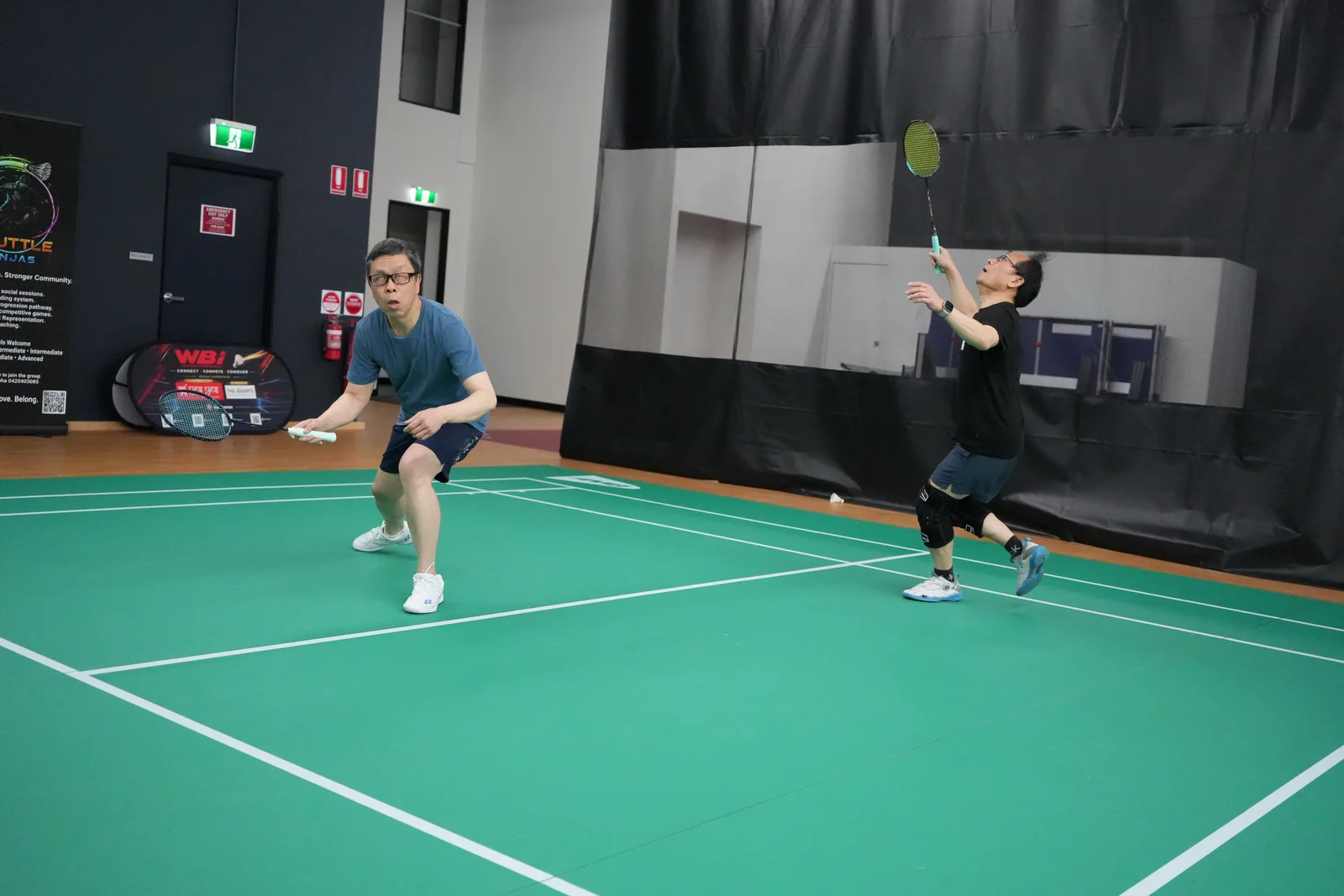
Standing at the stringing counter and being asked “What tension?” can feel like a test. It isn’t. The useful question is: what would make your racket easier and more enjoyable to play with?
Start with your racket’s limits. Ask a qualified stringer to check the exact model, weight version, frame condition and recommended tension range. A number in this guide is a discussion point, never permission to exceed that range.
Small differences. A different feel.
Gauge is the string’s diameter in millimetres. Tension is the pulling force used during stringing, usually quoted in pounds or kilograms. They are different choices—not interchangeable measurements.
Your starting point
Tell the stringer what you like—or dislike—about your current setup.
Your playing habits
Think about how often you play and how often you want to restring.
Your whole budget
Compare the installed price, including labour, rather than the packet alone.
Use gauge as a clue, not a ranking
For a concrete comparison, Yonex BG65 is 0.70 mm and is designed with abrasion durability in mind. BG66 Ultimax is 0.65 mm, a thinner option with a different core specification. These are examples to explain the numbers, not a claim that one is best for everyone.
Thickness alone does not describe a string’s construction, coating or feel. Ask for a durability-focused option if frequent replacements are your main frustration; ask to compare feel if your current strings last well but do not suit your shots.
Higher is not automatically better.
Choose the response that helps your shots, not a number that sounds impressive.
A lower-tension setup generally feels more forgiving and can make length easier to find. Higher tension gives a firmer string bed, but asks more of your timing and swing. It is not a guaranteed upgrade in power or control. Badminton Avenue’s stringing guide explains this trade-off and suggests 20–22 lb for casual players and beginners.
WBi’s approach: describe the shot you want to improve. Are back-court clears hard work? Does defence feel unforgiving? Are net shots difficult to judge? Let your stringer help decide whether tension, string choice or a technique session is the useful next step.
Try a new setup over a few familiar sessions using your usual shuttles. Avoid changing the racket, string and tension together. There is no need to copy a professional’s setup to enjoy competitive doubles.
Listen to your setup.
Use a regular equipment check, rather than a one-size-fits-all replacement calendar.
What should I check before playing?
Look for fraying, deep wear where strings cross, damaged grommets or frame cracks. If something looks wrong, ask your stringer to inspect it before playing or restringing.
Do I have to wait for a string to break?
No. If your usual shots suddenly feel different or the response is no longer consistent, have the setup checked. Record when it was strung and how much you have played; that is more useful than guessing from the sound alone.
What if a string breaks during a game?
Stop using that racket and switch to a spare if available. Take it to your stringer for an assessment and a full restring rather than trying to patch the broken strand.
Should I request extra tension on the cross strings?
Do not apply a blanket “add two pounds” rule. Main and cross settings, hole patterns and tie-off points should follow the instructions for your exact racket. Yonex publishes model-specific stringing instructions; use the corresponding guidance for your brand.
A good conversation beats a guess.
Take this short checklist to your next restring.
- Your racket: exact model and weight version, plus any previous damage.
- Your current setup: string model, tension and restring date, if known.
- Your routine: playing frequency, feather or synthetic shuttles, and budget.
- Your priority: easier length, a different feel, durability or consistency.
- Your next step: agree on one change and ask the stringer to record it.
Further reading
References checked on 16 October 2026. Product examples illustrate specifications; the practical checklists are WBi editorial guidance.
- Yonex BG65 specifications and BG66 Ultimax specifications.
- Yonex stringing instructions — use the pattern for your racket.
- Badminton Avenue’s stringing guide — a stringing provider’s starting-point advice.